
The Allure of Gambling: A Psychological Perspective
Casino gambling captivates millions across the globe, intertwining excitement with the potential for monetary gain. At the heart of this fascination lies a complex web of psychological factors. The thrill of risk combined with the allure of winning creates a compelling environment that draws people in. For many, the casino represents an escape from reality, offering an exhilarating break from their everyday lives. Interestingly, many players also explore bitcoin gambling sites as part of their experience.
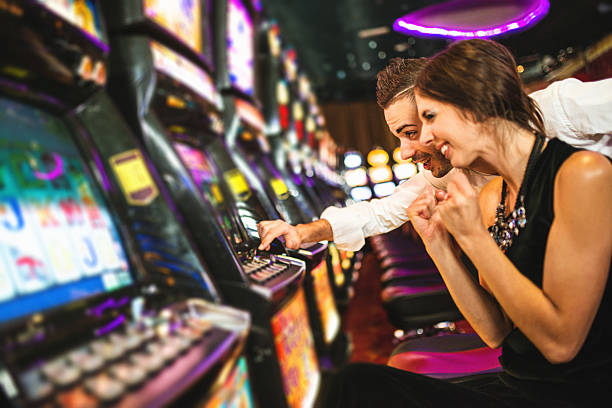
The immediate rewards associated with gambling also play a pivotal role in its appeal. The brain’s release of dopamine, a neurotransmitter linked to pleasure and reward, creates feelings of euphoria, making players crave more. This biochemical response reinforces the desire to gamble, ensuring that the cycle of play continues, even when the odds are not in favor of the player.
Behavioral Economics and Risk-Taking
Understanding the psychology of gambling also involves delving into behavioral economics. People often make decisions based on emotions rather than logic, especially in high-stakes environments like casinos. The concept of ‘loss aversion’ suggests that the pain of losing is felt more intensely than the pleasure of winning. This leads players to chase their losses, believing that they can regain what they’ve lost with just one more bet.
Furthermore, cognitive biases such as the illusion of control can mislead gamblers into thinking they have more influence over outcomes than they actually do. This belief can drive continued play, as they attribute wins to skill rather than chance, perpetuating the cycle of gambling behavior.
The Social Aspects of Casino Gambling
Gambling is not just an individual pursuit; it is often a social activity that enhances its appeal. Casinos serve as social hubs where friends and strangers come together, sharing experiences and excitement. This communal aspect can amplify the thrill of gambling, as camaraderie creates a sense of belonging and connection.
Moreover, social influences and peer pressure can lead individuals to gamble in scenarios where they might not otherwise do so. The environment of a casino, filled with crowds and celebration, further encourages participation, as players feed off the energy of those around them, making it a shared adventure.
The Impact of Environment on Gambling Behavior
The design and atmosphere of casinos are meticulously crafted to enhance the gambling experience. From the vivid colors and striking lights to the sounds of winners, every element is intended to create an immersive experience that keeps players engaged. These carefully constructed environments can affect decision-making, often leading to impulsive behaviors.
Additionally, the absence of clocks and windows in many casinos creates a disorienting effect, leading players to lose track of time and, consequently, their spending. This deliberate design choice plays into the psychological aspect of gambling, encouraging longer betting sessions and increased monetary loss.

Conclusion: Understanding Our Play at the Casino
In summary, the psychology behind casino gambling is a multifaceted interplay of emotional, social, and environmental factors that draw individuals into a world of chance and excitement. As we explore these motivations, it becomes clear that gambling is not merely about money; it’s about thrill, community, and the pursuit of happiness.
Understanding these dynamics can empower players to make informed decisions. Recognizing the psychological traps can foster healthier gambling habits while allowing individuals to enjoy the entertainment value of casinos responsibly.